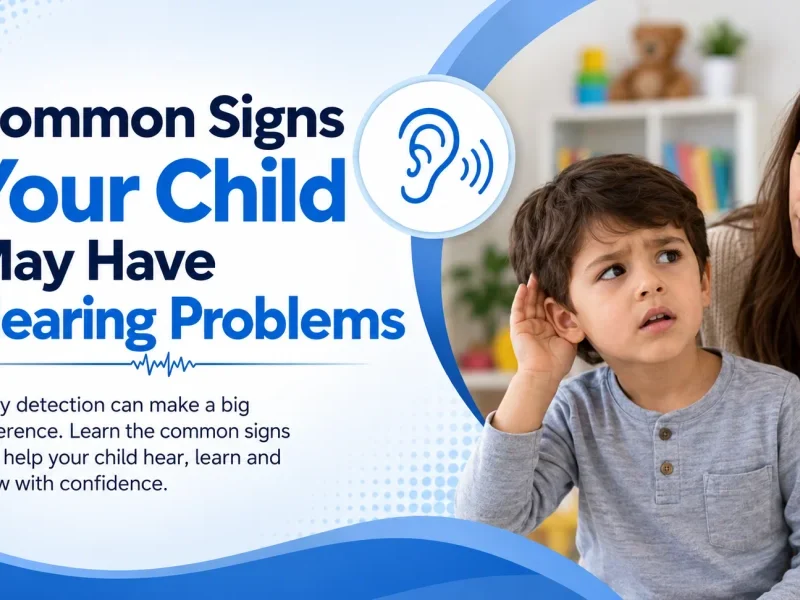

Sometimes, patience and awareness are needed when communicating with someone experiencing hearing loss. Adjustments in speaking and communication can help to make conversations easier, more comfortable and more meaningful.
With a family member, friend, colleague, or hearing aid wearer – there are a number of simple communication strategies to help minimize misunderstandings and improve everyday communication.
7 Ways to Make Communication Easier for Someone With Hearing Loss
-
Face Them When Speaking
Face the person directly when talking to them. People can rely on facial expressions, lip movements and sight – to make sense of what you mean if you keep your face visible.
Don’t talk when you turn away, put your face in your hands or talk in another room. They will also find it easier to see your face well – if you have the lighting right.
-
Reduce Background Noise
It can be difficult to hear a conversation in a noisy place – for a person with hearing loss. Things like TV, music, traffic, lots of people talking at once, and crowded restaurants – can all get in the way of speech.
Try to lower the volume of the tv or music, close doors or windows – to minimize outside noise or move to a more peaceful area. In a calm environment, it will be so much easier to follow the conversation.
3. Speak Clearly and Naturally
As per audiologist, speak at a natural, comfortable pace – and be sure to pronounce the word clearly. Generally, there is no need to over exaggerate mouth movements or speak unusually slowly.
When appropriate, use simple and direct language – especially when making important announcements. Leave pauses naturally between ideas – allowing listener to follow along.
-
Don’t Shout
Although it might seem logical to talk loudly – shouting can actually be harder to understand. Excessive volume can make it more difficult to hear and understand, and lip-read.
Do not shout, face the individual, speak clearly and with a natural voice. If they’ve been fitted with hearing aids – make sure the sound is not too loud because the device is meant to make sounds louder.
-
Be Patient and Give Them Time to Respond
Communication is a two-way process. A person with hearing loss might require more time to interpret a phrase or sentence – particularly in noisy situations or from a complex conversation.
Do not interrupt, rush or ask the same question more than once – before they can respond. Let them have time to digest the information, and answer at ease.
Avoid frustration on both sides by being patient and helping to make conversation more supportive.
-
Use Other Ways to Support Communication
If talking doesn’t work – use other forms of communication. When someone cannot hear you – repeat the sentence in different words, don’t say it louder.
Other forms of communication – such as gestures, facial expressions, written notes and text messages can also be useful. When there is important information to convey or appointments to make – it may help to avoid confusion by conveying them in writing.
Also understanding without making the person feel uncomfortable is helpful. It is acceptable to ask them in a polite manner – if they would like something repeated or explained in a different way.
Long Story Short
There are no complex strategies to communicate with a person who has a hearing loss. Speaking directly in front of them, minimizing background noises, maintaining a natural tone of voice and not shouting, taking the time for their response and providing visual and/or written support – can make it much easier to engage in conversation.
Above all, be patient and respectful in all communication. In everyday conversations – these basic actions can assist people with hearing loss to feel included, understood and stay more confident.