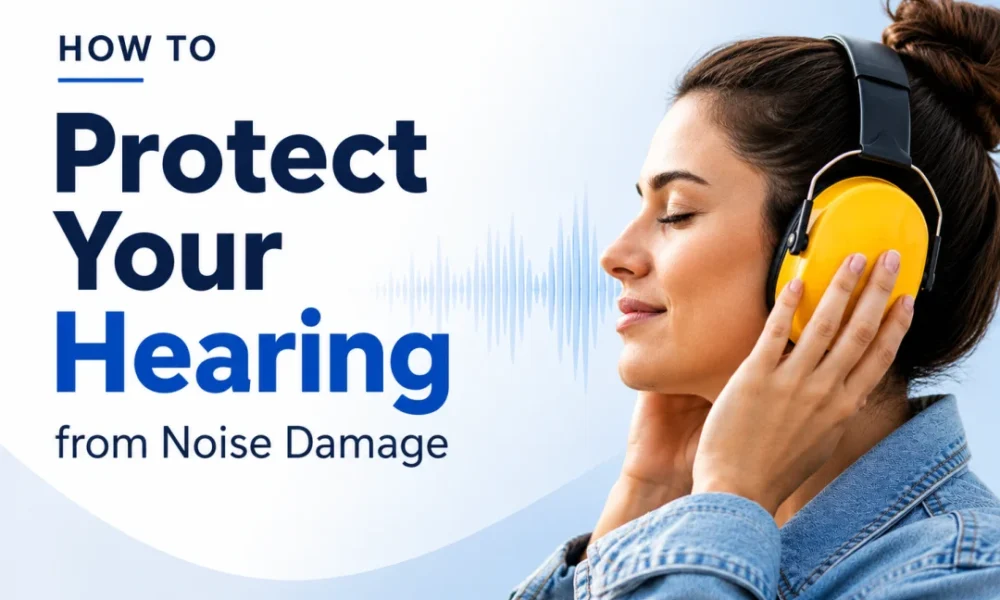
One loud moment can affect your hearing for years. Whether it is daily headphone use, busy roads, or live events – repeated exposure to loud noise can slowly damage your ears without obvious warning signs. Luckily, a few basic habits can protect your ears. Knowing how to shield your hearing from loud noises keeps your ears healthy, makes it easier to follow conversations – and stops permanent damage before it starts.
-
Figure Out the Cause of Hearing Loss
Too much noise damages the tiny hair cells inside your inner ear – and once they are damaged, your hearing ability is gone. These cells help convert the sound into signals for the brain. And once damaged – they don’t grow back.
- Your ears remember every loud headphone session.
- That fun concert may leave a lasting impact.
- Traffic, construction, and power tools are regular noise sources.
- Long-term exposure is usually worse than one short loud event.
- Hearing changes can sneak up slowly – and sometimes people realize that when daily activities get difficult.
Good to know
Most everyday sounds exceed 85 decibels – the level at which prolonged exposure may become harmful.
-
Turn the Volume Down to the Safe Range
We’ve all gotten those warnings on our phones telling us the volume is too high – and most of us just ignore them. But nudging that sound level down just a little bit is the absolute easiest way to protect your ears. A tiny shift with a bigger impact.
- A lower speaker volume is often easier on your ears. Play at 60 percent volume for 60 minutes.
- Keep the TV and speaker volume only as high as needed.
- Limit volume on your device to prevent accidental overexposure.
- Over-ear headphones often require lower volume than earbuds.
- Take short breaks during long listening hours.
Good to know
If someone beside you can hear what’s playing on your headphones – the volume is probably too high.
-
Always Relyon Ear Protection
Some environments are naturally always loud. In such a situation, ear protection is the first thing that you should consider.
- Heading to a concert? Don’t forget your earplugs.
- Before using power tools, give your ears some protection.
- Let noise-cancelling headphones do the heavy lifting.
- Comfortable ear protection with a snug fit should be your priority.
- Ditch old earplugs when they start wearing down.
Good to know
Musicians and event photographers use specialized plugs that act like a volume knob for the real world – bringing the decibels down without ruining the clarity of the music.
-
Stay Away from Loud Environments
Exposure to moderate sound for long periods is equally dangerous to your hearing health. It can cause a serious risk to your ears.
- Noisy areas are the biggest triggers.
- Do not stand directly beside large speakers.
- Schedule quiet periods throughout the day.
- Move to quieter spaces during breaks at events.
- Let your ears recover after extended exposure.
Good to know
Hearing fatigue after a loud day is your sign that your ears need proper recovery time.
-
Be Mindful of Workplace Noise
A lot of people clock into loud jobs every single day and completely tune out the noise around them. The catch is that this quiet, daily wear-and-tear adds up, but simply staying on top of your ear protection can completely save your hearing.
- Factories and warehouses are louder than they seem.
- Those workplace hearing safety rules can make a real difference.
- Make hearing protection part of your daily routine.
- Training sessions often share useful tips.
- Damaged equipment is worth reporting straight away.
Good to know
Work noise remains one of the most common preventable causes of hearing damage worldwide.
-
Keep an Eye on Early Signs
Damage to your ears doesn’t just happen overnight – your body always drops subtle hints first. Catching those early clues means you can fix your habits – and save your hearing before it turns into a serious issue.
- Ringing or buzzing after loud noise exposure.
- Temporary muffled hearing after concerts or events.
- Difficulty following conversations in crowded places.
- Frequently increasing the volume on devices.
- Feeling that people are mumbling when they speak.
Good to know
Symptoms that appear repeatedly should never be ignored.
-
Get Regular Hearing Check-Ups
Routine hearing assessments are very beneficial in the long run. It identifies small changes before they turn into serious problems.
- A hearing check gives you a useful starting point.
- Small hearing changes are easier to catch early.
- You can get advice that fits your lifestyle.
- Regular checks matter if noise is part of your job.
- Don’t wait too long to talk about new symptoms with an expert audiologist.
Final Words
Protecting your hearing starts with small daily habits. Keep volumes low. Limit time around loud noise. Use hearing protection when needed. And get a hearing assessment done from Shai Clinic. A few simple steps today can help keep your hearing healthy and clear for years to come.
FAQs
What is the safe volume level on headphones?
It is best to listen to music at 60 level volume or below. Also, take regular listening breaks.
Can noise-related hearing loss become permanent?
Yes. Damage to your inner ear is almost always a permanent problem. Those tiny, fragile hair cells can’t repair or replace themselves.
How long can I safely listen to loud music?
It entirely depends on volume. If you like your music loud, cut back on how long you play it. The clock is just as dangerous as the volume slider.
What are the first signs of hearing damage?
A few common signs include:
- Ringing in the ears
- Muffled hearing
- Difficulty understanding speech in noisy places
Are earplugs effective for concerts?
Yes. Good quality ones can reduce sound levels while still allowing you to enjoy music.